Summarize with
Effective appliance removal involves selecting a method that balances logistical ease with environmental responsibility. The primary options for homeowners and businesses include municipal bulk pickup, professional appliance hauling services, retailer exchange programs, and local recycling centers. Selecting the right path depends on the condition of the unit, local waste regulations, and your physical ability to move heavy machinery.
Modern appliances contain a variety of materials that require specialized handling. Refrigerators and air conditioners often house refrigerants such as ozone-depleting substances or high global-warming-potential gases. According to the Environmental Protection Agency, proper disposal ensures these chemicals are recovered rather than released into the atmosphere. This guide details every stage of the process to ensure safe and efficient disposal. J&S Hauling & Junk Removal maintains extensive knowledge in handling these items to prevent property damage and ensure regulatory compliance.
Methods for Removing Residential Appliances
Standard household units like washers, dryers, and ranges often present a significant challenge due to their weight and size. Most municipalities offer some form of bulk waste collection, though rules vary by zip code. Some cities require residents to purchase a specific sticker or schedule the pickup weeks in advance. If the appliance still functions, local charities or vocational schools might accept it as a donation. This keeps the item out of the waste stream while providing a tax benefit to the owner.
Retailer take-back programs are common when purchasing new equipment. Many big-box stores will haul away the old unit for a small fee when delivering the replacement. This is often the most convenient choice for single-item swaps. However, these programs usually apply only to the specific type of appliance being replaced.
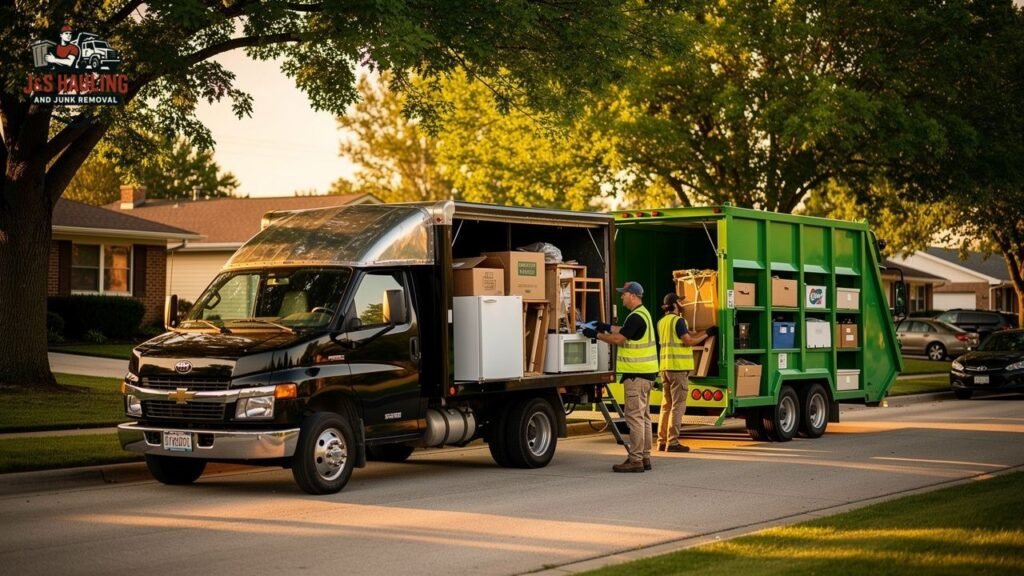
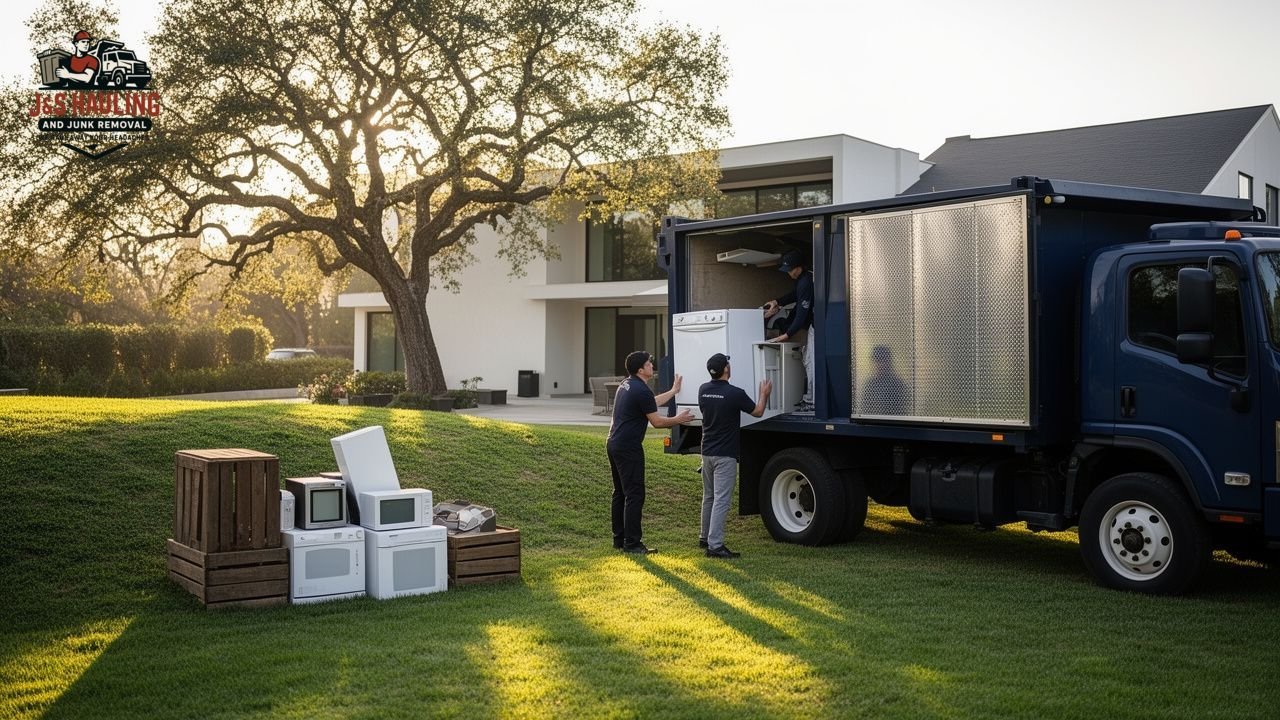
Professional appliance hauling services offer a more flexible solution. These providers handle the heavy lifting from inside the home, removing the need for the owner to move the unit to the curb. This service is particularly useful for basement or second-floor laundry rooms where the risk of wall damage or personal injury is high. See our appliance removal cost guide for pricing by unit type.
Options for Commercial Appliance Removal
Businesses such as restaurants, hotels, and laundromats face different logistical challenges. Commercial units are often larger, heavier, and constructed with more industrial materials than residential versions. Because commercial waste is regulated differently, standard municipal pickup is rarely an option. Businesses must typically coordinate with specialized disposal services that can handle high-volume or heavy-duty equipment. The following table compares the most common methods available for both residential and light commercial needs:
| Disposal Method | Average Cost | Effort Level | Environmental Impact |
| Municipal Bulk Pickup | Low to Moderate | High (Curb placement required) | Variable |
| Retailer Take-back | $30 to $100 | Low | High (Direct recycling) |
| Professional Hauling | Varies by volume | Minimal | High (Professional sorting) |
| Donation Centers | Free | Moderate | Best (Extends life cycle) |
Commercial removal often requires specific insurance documentation and scheduling that does not disrupt business operations. Choosing a provider experienced in commercial logistics ensures the job is completed quickly and safely.
Understanding Appliance Recycling Services
Recycling is the most environmentally sound way to handle end-of-life machinery. Most large appliances consist mainly of steel. Data from the American Iron and Steel Institute indicates that steel is the most recycled material in the world, and nearly all the metal in an appliance can be recovered and reused.
Beyond metal, recycling centers also reclaim plastic, glass, and electronic components. For cooling units, the oil and refrigerants must be extracted by certified technicians. Dropping an appliance at a scrap yard might result in a small payment for the metal weight, but the owner must have a way to transport the heavy item.
Bonus Tip: Before recycling a refrigerator, check with your local utility company. Many energy providers offer rebates or cash incentives for recycling old, inefficient cooling units because it reduces the overall load on the power grid. For the full extraction and recycling process, see our guide on how refrigerator removal and disposal services work.
Things to Consider Before Making a Decision
Before choosing a removal path, assess the specific needs of your project. A single microwave requires much less planning than a commercial walk-in freezer.
- Physical Safety: Assess whether you have the equipment and physical strength to move the item to the curb without injury.
- Property Protection: Note that old appliances often have sharp edges or leaking fluids that can ruin flooring if not handled correctly. If you’re unsure whether an item qualifies for pickup at all, see our guide on what items junk removal companies can take or refuse.
- Local Regulations: Research whether your city bans certain appliances from landfills, as many states have strict laws regarding mercury switches and PCB-containing capacitors. See our guide on what appliances junk removal companies can take or refuse for a complete breakdown.
- Time Constraints: Determine your timeline, as municipal pickups may only occur monthly, while private services often offer same-day or next-day options. See our same-day junk removal service for urgent pickups.
Common Questions About Appliance Disposal
People often wonder if they should take their appliances apart before pickup. It is generally better to leave the unit intact. Professionals have the tools to disassemble items safely, and keeping them whole prevents the accidental release of hazardous materials or the creation of sharp debris.
Another common concern involves the cost. While some options are free, they often require more manual labor from the owner. Paying for professional junk appliance removal covers the labor, transportation, and disposal fees, which many find to be a better value for their time and physical health.
Bonus Tip: Always tape the doors of refrigerators and freezers shut during transport. This prevents the doors from swinging open and causing damage or injury during the move.
Steps for Successful Preparation
Preparation makes the removal process much smoother. If the unit is a refrigerator or freezer, it should be emptied and defrosted at least 24 hours in advance to prevent water from leaking during transit. Disconnect all water lines and gas connections according to manufacturer instructions. For gas appliances, ensuring the valve is completely off and properly capped is a vital safety step.
If a hauling crew is coming into the building, clearing a path is essential. Removing rugs or wall hangings can prevent accidental trips or property damage. Finally, measuring the width of doorways and hallways ensures that the equipment can actually pass through the intended exit routes.
Helpful Information for Your Removal Project
Are there items that cannot be recycled?
Most metal-based appliances are fully recyclable. However, items with heavy chemical contamination or units that have been stripped of their valuable metals might be rejected by some scrap yards. Always call ahead to verify the specific acceptance criteria of a facility.
How do I handle a broken appliance?
If the cost of repair exceeds half the cost of a replacement, disposal is usually the practical choice. Broken appliances should still be handled as if they were functional to avoid breaking glass or leaking internal fluids during the removal process. For a broader look at how junk removal pricing works in general, see our guide on how much junk removal costs.
Is curbside placement always allowed?
This depends entirely on local ordinances. Many cities issue fines for leaving large items on the sidewalk without a confirmed, scheduled pickup. Always verify the specific rules with your local waste management department before placing items outside.
What happens to the hazardous materials?
When using certified appliance recycling services, hazardous materials are sent to specialized facilities. Refrigerants are chemically destroyed or reclaimed for reuse in a closed-loop system. Reports from Energy Star suggest that recycling just one refrigerator can prevent the equivalent of 5 tons of carbon dioxide emissions.
Summary of Best Practices
Successful appliance removal depends on matching the item to the best disposal channel. Working appliances should be donated to extend their useful life, while non-functional units should be recycled to recover valuable metals and protect the environment. While municipal programs offer a low-cost solution for those who can move heavy items, professional hauling services provide the safest option for complex removals. Evaluate the weight, location, and condition of the unit before deciding which method fits your situation.
Get Professional Assistance with Your Disposal Needs
J&S Hauling & Junk Removal handles the heavy lifting and logistical challenges of removing old machinery from homes and businesses. If you need reliable appliance removal services, the team is ready to help. You can reach the office at (618) 310-6823 or send an email to jasen@jshauling.com to discuss your project. Professional service ensures that your old items are disposed of responsibly without causing stress or physical strain.
Sources
- Environmental Protection Agency – Information regarding the Responsible Appliance Disposal program and environmental impacts.
- American Iron and Steel Institute – Data on steel recycling rates and the sustainability of metal recovery.
- Energy Star – Statistics on energy savings and carbon emission reductions through proper appliance recycling.