Summarize with
Fall yard cleanup involves removing fallen leaves and dead plants while clearing branches and other debris before winter. Homeowners should also mow the lawn one last time and protect garden beds with mulch. Clearing unwanted outdoor materials before freezing weather helps prevent drainage problems and prepares the property for spring.
This fall yard cleanup checklist explains what to remove and what to keep before winter. It covers lawn maintenance and garden preparation as well as outdoor waste disposal. Homeowners in Granite City and nearby communities can use these steps to organize their properties without rushing through the final weeks of autumn.
Key Takeaways
- Remove thick layers of fallen leaves before they smother grass.
- Clear broken branches and unwanted yard debris.
- Remove diseased plants and spent annuals from garden beds.
- Apply mulch around suitable plants to protect their roots.
- Continue mowing while grass is actively growing.
- Drain garden hoses and prepare outdoor equipment for storage.
- Check local yard waste collection rules before placing debris outside.

Remove Fallen Leaves From Your Lawn and Garden
Knowing how to get rid of fallen leaves is one of the first steps in autumn yard maintenance. Thick layers of leaves can block sunlight and restrict airflow around grass. Raking, mulching, or collecting excess leaves helps maintain a healthier lawn and prepares the property for winter.
Get a cleanup quote
Rake or Collect Heavy Leaf Piles
Walk across your lawn and identify areas where leaves have accumulated. Focus on corners and spaces beneath large trees because these areas often collect the thickest layers. Use a rake or leaf blower to gather the leaves into manageable piles. Avoid leaving wet leaves on the grass because they can become compacted and block sunlight.
You do not need to leaf clean up from your property. A thin layer of shredded leaves can break down and return organic matter to the soil. However, thick piles should be collected before winter.
Mulch Suitable Leaves Into the Lawn
A lawn mower with a mulching blade can break dry leaves into smaller pieces. These fragments settle between grass blades and gradually decompose. Keep mowing until the grass remains visible through the shredded material. If the mower leaves thick clumps, then collect the excess instead.
Homeowners can also compost suitable yard materials instead of sending everything for disposal. According to the EPA’s home composting recommendations, dry leaves and grass clippings can be used in a backyard compost pile. This provides another way to manage seasonal yard waste while creating useful organic material for garden soil.
Clear Leaves From Garden Beds
Leaves can provide natural insulation around plants. However, wet and diseased leaves should not remain around vulnerable plants. Remove leaves showing signs of fungal disease. Keep a thin layer of healthy leaves where they can protect soil without covering plant crowns.
| Tip: Collect dry leaves on a breezy day when possible. Wet leaves are heavier and harder to move. |
Clear Fallen Branches and Other Yard Debris
Branches and loose debris should be removed before winter storms arrive. They can damage outdoor spaces and become obstacles when snow or ice covers the ground. Start by walking around the entire property. Check the lawn and garden beds as well as fences and spaces beneath trees.
Remove Broken Tree Limbs
Collect small fallen branches and separate them from leaves. Look for cracked limbs that could fall during strong winds or winter storms. Do not attempt to remove large hanging branches yourself. They may require professional tree services and proper cutting equipment.
Look for the following materials:
- Fallen branches and twigs
- Dead shrubs and plant stalks
- Broken garden edging
- Damaged flower pots
- Old landscape decorations
- Unwanted outdoor furniture
- Loose plastic and other household waste
Separate reusable materials from items that need disposal. Keep branches away from leaf piles because some municipal collection programs handle these materials separately.
Check Walkways and Drainage Areas
Leaves and sticks can collect around sidewalks and outdoor drains. Remove this material before heavy rain or freezing weather. Pay attention to downspout outlets and low areas where water tends to collect. Keeping these spaces clear reduces the chance of blocked drainage and standing water.
Clean Garden Beds and Remove Dead Plants
Garden beds need attention before the ground freezes. Removing diseased plants and unwanted weeds helps reduce problems that may return during the next growing season.
Remove Spent Annuals and Diseased Foliage
Annual flowers usually complete their growing cycle before winter. Pull out finished annuals and remove dead vegetable plants after the final harvest. Check foliage for signs of disease. Remove infected leaves and stems instead of leaving them in garden beds or adding them to ordinary compost.
Decide Which Perennials to Keep
Not every perennial needs to be cut back during autumn. Some plants provide winter shelter and food for birds and beneficial insects.
Consider these common garden plants:
| Perennial | Fall cleanup checklist |
|---|---|
| Peonies | Remove diseased foliage after it dies back |
| Hostas | Remove dead foliage and infected leaves |
| Coneflowers | Keep healthy seed heads for birds |
| Black-eyed Susans | Leave healthy seed heads through winter |
| Ornamental grasses | Keep standing until late winter or spring |
| Daylilies | Remove dead or damaged foliage |
The right approach depends on plant health and garden conditions. Avoid cutting every plant to the ground just to make the garden look tidy.
Pull Weeds Before They Spread
Remove mature weeds before they drop seeds. Pay attention to garden edges and spaces around shrubs. Pulling weeds during autumn reduces the amount of unwanted growth that may appear in spring.
| Tip: Keep healthy seed heads and selected dried stems in place. They can provide food and shelter for wildlife during colder months. |
Prepare Your Lawn for Cold Weather
Your lawn still needs maintenance as temperatures drop. Proper mowing and leaf management help grass enter winter without excessive buildup or unnecessary stress.
Continue Mowing While Grass Is Growing
Do not stop mowing just because autumn has arrived. Continue cutting the grass while it is actively growing. Avoid cutting it extremely short during the final mowing. Scalping can expose the grass to additional stress, while leaving it too long can encourage matting.
Aerate Compacted Soil
Soil compaction can restrict water and air movement around grass roots. Core aeration removes small plugs of soil to create openings that improve soil conditions. This task can be particularly useful in frequently used lawn areas. Consider aeration when the soil is moist enough for equipment to remove plugs without damaging the lawn.
Apply Fertilizer When Appropriate
A suitable fall fertilizer can support root development and prepare cool-season grass for winter. Choose a product based on your grass type and soil requirements. Avoid applying fertilizer without checking the recommended timing and application rate.
Understand the Best Time for Final Mowing
There is no single calendar date for the last lawn cut. In the Granite City area, the timing depends on temperatures and how quickly grass growth slows.
| Seasonal period | Lawn maintenance |
|---|---|
| September | Continue regular mowing and remove excess leaves |
| October | Monitor grass growth and manage falling leaves |
| November | Complete the final mowing when growth slows |
| December | Store mowing equipment after the season ends |
Add Mulch and Protect Trees and Shrubs
Mulch helps protect plant roots from sudden temperature changes. It also reduces moisture loss and limits weed growth around established landscaping.
Refresh Existing Mulch
Inspect the mulch around trees and garden beds. Add more where the existing layer has become thin or has washed away. Shredded leaves and suitable organic mulch can also help improve soil over time. Avoid creating thick piles around plant stems. Keep mulch a few inches away from tree trunks to reduce moisture buildup against the bark.
Water Trees and Shrubs Before Winter
Trees and shrubs may still need water during autumn. This is particularly important for recently planted trees with developing root systems. Check soil moisture before watering. Give plants a deep watering during dry periods while the ground is not frozen.
Inspect Shrubs and Remove Damaged Growth
Look for dead and damaged branches around shrubs. Remove small damaged growth when appropriate. Avoid heavy pruning without checking the plant’s flowering cycle. Some spring-flowering shrubs develop their flower buds before winter.
Clear Patios and Store Outdoor Items
Outdoor areas need attention beyond the lawn and garden. Clearing patios and storage spaces prevents loose materials from becoming problems during winter.
Clean Patios and Driveways
Remove leaves and debris from concrete and paved surfaces. Wet leaves can become slippery and make walkways unsafe. Check the spaces around outdoor furniture and garden structures. Collect unwanted items that are damaged or no longer useful.
Store Pots and Garden Accessories
Empty seasonal containers and clean them before storage. Some pots can crack when water freezes inside them. Store suitable containers in a dry place. Put away garden stakes and small tools that could deteriorate when exposed to winter weather.
Remove Unwanted Outdoor Items
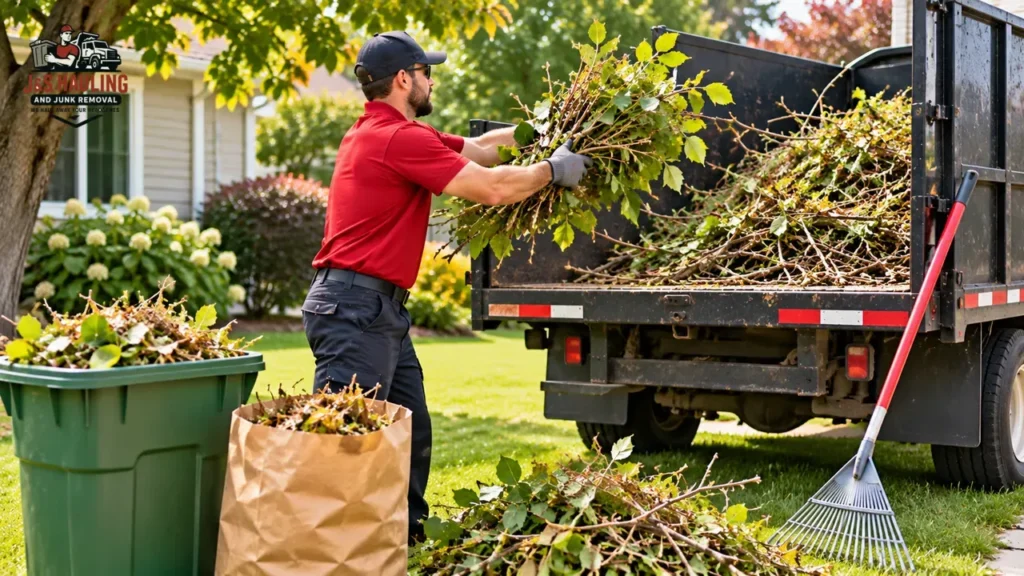
Old furniture and broken garden equipment can take up valuable outdoor space. Collect these items before winter makes moving them more difficult. If the property has accumulated bulky waste or large amounts of unwanted material, a yard cleanup service can help with the hauling and disposal process.
Drain Hoses and Prepare Irrigation Equipment
Water left inside outdoor hoses and irrigation lines can freeze and cause damage. Preparing these systems before freezing temperatures arrive helps prevent avoidable repairs.
Disconnect Garden Hoses
Remove hoses from outdoor faucets and drain the remaining water. Store them in a protected area away from freezing temperatures.
Protect Sprinklers and Irrigation Lines
Follow the manufacturer’s winterization instructions for your irrigation system. Some systems require draining or professional blowout services. Do not assume every system can be prepared in the same way. Check the equipment instructions before shutting it down.
Clean and Store Garden Tools
Remove dirt and moisture from rakes and shovels. Clean pruning tools and dry their metal surfaces before storage. Sharpen mower blades when needed and prepare the mower according to its manufacturer’s storage instructions.
| Pro Tip: Complete your final outdoor inspection after most leaves have fallen. This helps you find hidden branches and debris that an earlier cleanup may have missed. |
Understand Local Yard Waste Disposal Rules in Granite City
Local disposal requirements matter when preparing outdoor waste for collection. Homeowners should check municipal rules before burning leaves or placing large piles near the road. Granite City and surrounding Metro East communities may have different collection arrangements.

Check Leaf Burning Restrictions
Homeowners should follow local restrictions instead of assuming that open burning is permitted. The Illinois EPA’s open burning regulations also explain that local governments can impose additional restrictions on landscape waste burning.
Check Yard Waste Collection Arrangements
Granite City has operated a leaf drop-off facility near 25th Street and the railroad tracks. However, seasonal hours and operating conditions can change. Contact Granite City Public Works before making a trip. Ask about current leaf drop-off hours and accepted materials.
Separate Yard Waste From Bulky Items
Leaves and small plant debris are not the same as old furniture and damaged outdoor equipment. Different waste collection programs may have separate requirements.
Keep these materials organized before arranging disposal:
- Leaves and grass clippings
- Small branches and sticks
- Large tree limbs
- Broken outdoor furniture
- Damaged garden equipment
- General household junk
For larger piles and bulky items, professional yard debris removal can simplify the hauling process.
When Should You Schedule a Professional Yard Cleanup?
A large outdoor cleanup can take several hours or even multiple days. Professional hauling is useful when piles of debris and bulky unwanted items become difficult to manage.
Consider arranging professional assistance when:
- Fallen branches and leaves have accumulated across the property.
- You have more yard waste than your vehicle can transport.
- Broken outdoor furniture needs to be removed.
- Garage and backyard clutter is taking up outdoor space.
- You need to clear a property before winter but have limited time.
A professional hauling company can collect unwanted materials and help leave the property clear of bulky debris.
What to Expect From a Yard Cleanup Service
The process usually begins with an assessment of the materials that need removal. The provider reviews the amount of debris and determines the labor and hauling requirements.
The next steps generally include:
- Identify the waste: Separate leaves and branches from furniture and other bulky items.
- Request an estimate: Share the amount and type of material that needs removal.
- Arrange pickup: Choose a suitable collection time.
- Complete the hauling: Workers load the agreed materials and transport them for appropriate disposal.
- Check the area: Make sure the designated cleanup area is clear.
For homeowners with larger outdoor cleanouts, J&S Hauling and Junk Removal offers a practical option for removing unwanted materials in the Granite City area.
Fall Yard Cleanup Checklist for Homeowners
A written checklist makes seasonal maintenance easier to organize. Use this list to track the tasks that need attention before winter.
| Cleanup task | Completed |
|---|---|
| Rake and collect thick leaf piles | ☐ |
| Mulch suitable dry leaves | ☐ |
| Remove fallen branches and sticks. | ☐ |
| Clear weeds and diseased plants | ☐ |
| Inspect trees and shrubs | ☐ |
| Protect garden beds with suitable mulch. | ☐ |
| Complete the final lawn mowing. | ☐ |
| Clear patios and walkways | ☐ |
| Clean outdoor drains and downspouts | ☐ |
| Drain garden hoses | ☐ |
| Store pots and garden tools | ☐ |
| Arrange disposal of unwanted debris | ☐ |
| Check local leaf collection rules | ☐ |
Complete the most urgent tasks first. Prioritize heavy leaf buildup and drainage areas before moving on to garden maintenance and equipment storage.
Conclusion
Preparing your outdoor space before winter involves more than collecting fallen leaves. You also need to remove damaged branches and unwanted plants while protecting healthy garden growth. Cleaning patios and drainage areas and storing outdoor equipment can prevent additional maintenance problems during colder months. Following this fall yard cleanup checklist gives homeowners a practical way to organize seasonal work. Start with the areas that have accumulated the most debris and arrange proper disposal for materials you cannot manage yourself.
J&S Hauling and Junk Removal helps homeowners in Granite City and the surrounding Metro East area clear unwanted materials from their properties. Whether you have bulky outdoor items or accumulated debris you need hauled away, you can contact the company to discuss your cleanup requirements.
Professional Yard Cleanup and Hauling From J&S Hauling and Junk Removal
Get your property ready for winter without spending days handling unwanted debris. J&S Hauling and Junk Removal provides hauling and junk removal services for residential and commercial properties. Contact the company to discuss your cleanup needs and request a quote.
Frequently Asked Questions
What is the best thing to put on your lawn before winter?
A suitable fall fertilizer can support root development in cool-season grass. Compost can also improve soil conditions when applied appropriately. Choose products according to your grass type and soil needs. Avoid applying excessive fertilizer or leaving thick layers of leaves on the lawn.
What are the essential tasks to include on a fall yard care checklist?
An effective fall yard care checklist should include leaf removal and lawn mowing as well as garden maintenance and debris collection. You should also inspect trees and shrubs and remove diseased plants. Finish by draining outdoor hoses and storing seasonal equipment.
What should I include on my fall cleaning list?
Your fall cleaning list should cover both indoor and outdoor spaces.
What is typically included in a fall cleanup?
A typical fall cleanup includes leaf removal and weed removal as well as collecting fallen branches and clearing garden beds. It may also include a final lawn mowing and shrub inspection. Mulching and storing outdoor equipment are other common seasonal tasks. Professional hauling can be added when unwanted furniture and bulky yard debris need removal.
What month are you not supposed to mow your lawn?
There is no universal month when mowing becomes prohibited. In the Granite City area, homeowners typically finish mowing during November when cool-season grass growth slows. Continue mowing while grass is actively growing. Stop when it becomes dormant and avoid cutting it too short during the final mowing.
Sources
1. Illinois EPA – Open Burning Regulations: Explains restrictions on burning landscape waste and the role of local government regulations.
2. U.S. Environmental Protection Agency – Composting at Home: Explains how to compost leaves, grass clippings, and other suitable yard waste to reduce waste and create nutrient-rich material for garden soil.