A junk removal business typically sees profit margins between 20 percent and 40 percent after accounting for labor, fuel, disposal fees, and equipment maintenance. For a single-truck operation, annual gross revenue often ranges from $150,000 to $250,000, while multi-truck fleets can generate several million dollars in yearly sales. Net profitability depends heavily on the ability to control disposal costs and maximize the volume of items hauled per trip.
This guide details the financial realities of running a junk removal service, covering expense management, revenue drivers, and operational strategies. Professional junk removal requires more than just a truck; it involves strategic logistics and cost management to maintain high margins. The information provided comes from direct observation of industry standards and financial performance patterns within the waste management sector.
Current Market Demand and Revenue Potential
The demand for hauling services remains steady because both residential and commercial clients consistently generate waste that municipal trash services will not accept. Data from IBISWorld shows that the waste collection industry has maintained a consistent growth pattern as consumer spending and construction activity fluctuate. Residential moves, estate cleanouts, and office renovations provide a continuous stream of work for operators who can respond quickly to service requests.
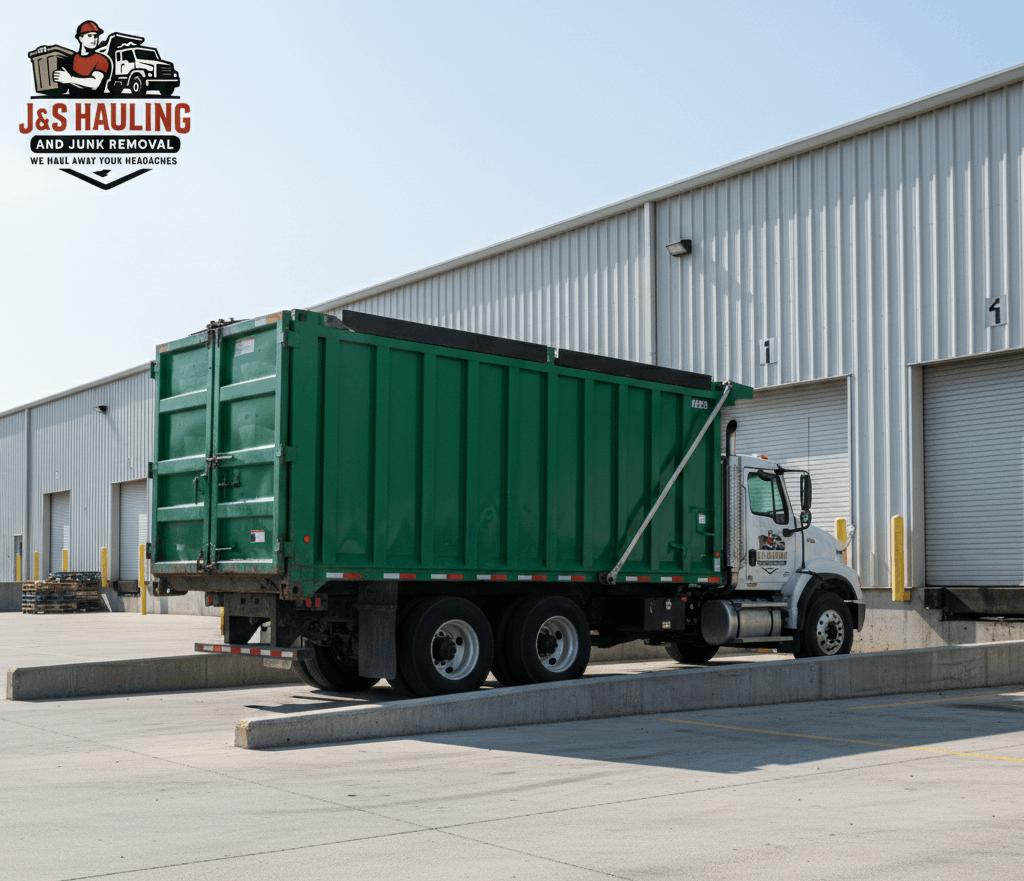
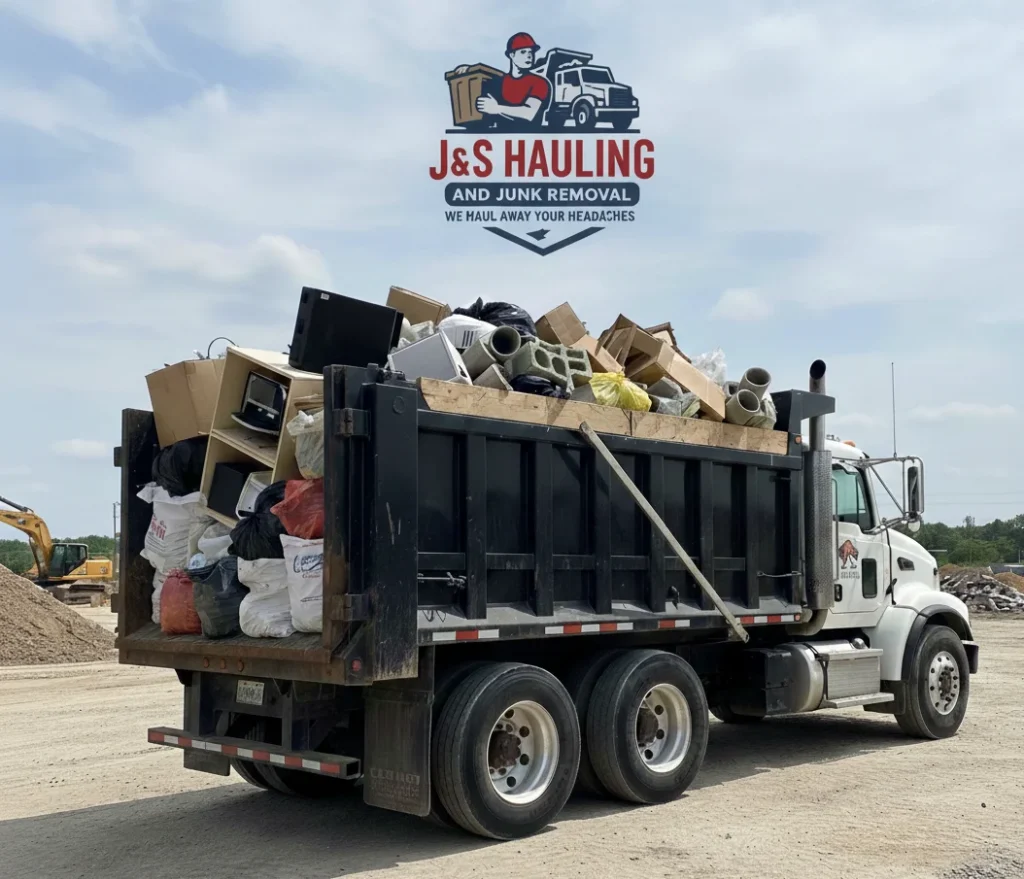
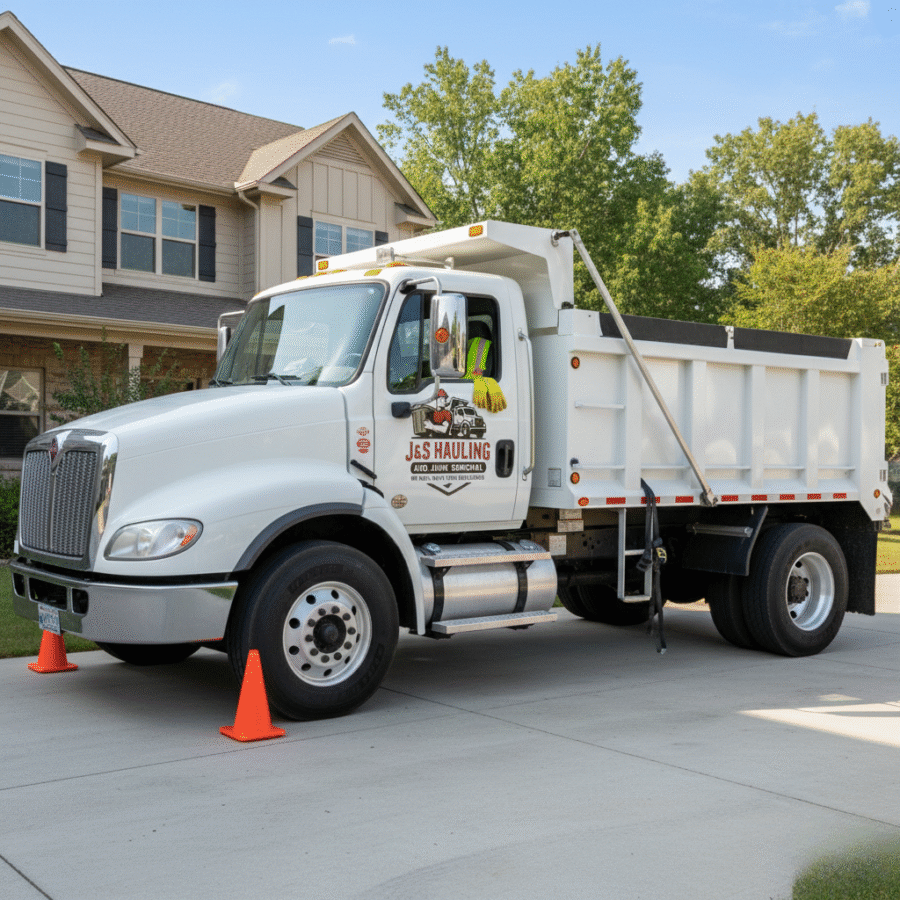
Revenue in this field is usually calculated by the volume of the truck filled. Most businesses use a fractional pricing model, charging for an eighth, a quarter, a half, or a full truckload. A full load on a standard 14-cubic-yard dump truck can fetch between $500 and $700 depending on the local market and the weight of the debris.
Operating Costs and Expense Breakdown
Profitability is not just about how much money comes in but how much stays in the business after expenses. Disposal fees, often called tipping fees, represent the largest variable cost. These fees vary significantly by geographic location. In some regions, dumping a ton of debris might cost $40, while in high-cost areas, it could exceed $100.
Labor is the second largest expense. Most jobs require a two-person crew to handle heavy lifting safely and efficiently. Paying competitive wages is necessary to retain reliable staff and minimize the physical risks associated with the job. Fuel and vehicle maintenance also eat into margins, especially as trucks age and require more frequent repairs.
| Expense Category | Percentage of Gross Revenue | Impact on Profitability |
|---|---|---|
| Disposal Fees | 15% to 25% | High |
| Labor and Payroll | 20% to 30% | High |
| Fuel and Oil | 5% to 10% | Moderate |
| Insurance and Licensing | 3% to 7% | Moderate |
| Marketing and Lead Gen | 8% to 15% | Variable |
| Vehicle Maintenance | 5% to 8% | Moderate |
Pricing Strategies for Maximum Profit
Setting the right price is a balancing act between staying competitive and covering all overhead. Many businesses fail because they underestimate the time a job will take or the weight of the items. Heavy materials like concrete, dirt, or roofing shingles should be priced by weight rather than volume because they increase fuel consumption and disposal costs significantly.
Standard household junk is lighter but takes up more space. Successful operators often implement a minimum load fee to ensure that even small pick-ups are worth the drive time and labor. This minimum fee usually covers the cost of getting the truck and crew to the site, ensuring that no job results in a net loss.
Bonus Tip: Diversify Disposal Methods Profit increases when disposal costs go down. Instead of taking every load to a landfill, separating metal for scrap yards or taking gently used furniture to donation centers can reduce tipping fees. Some scrap metal can even provide a small secondary revenue stream.
Efficiency and Routing Logistics
The number of jobs a crew can complete in a single day directly dictates daily profit. If a truck spends three hours in traffic between jobs, the business loses money on labor and fuel. Using routing software to group jobs by zip code minimizes drive time and allows for more pickups per shift.
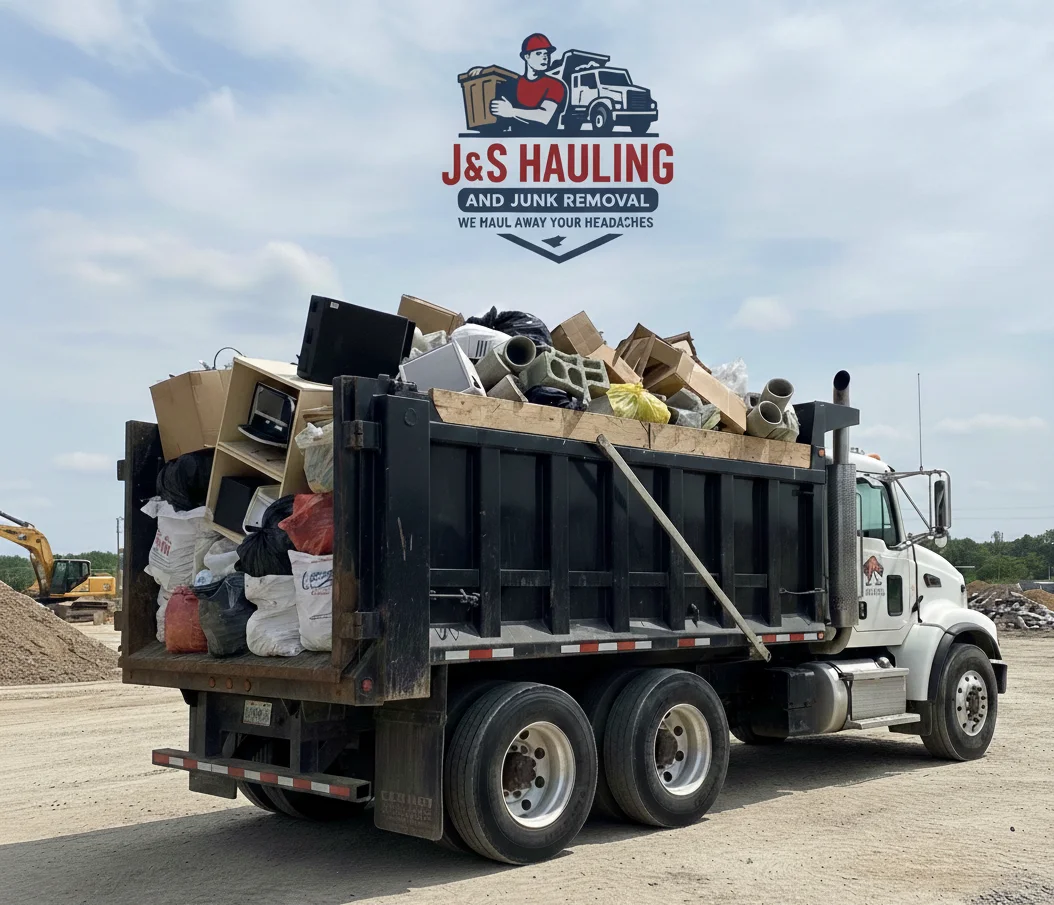
Load packing is another area where efficiency matters. A crew that knows how to stack items tightly can fit more into a single load, reducing the number of trips to the dump. Since every trip to the disposal site costs time and fuel, maximizing truck capacity is a fundamental skill for maintaining high margins.
Things to Consider Before Making a Decision
Before entering the junk removal industry, potential operators must evaluate several factors that influence long-term success. Licensing requirements differ by state and municipal levels. Some areas require a specific hauler’s permit or a solid waste license, which can come with high application fees and strict insurance requirements.
Insurance is a non-negotiable cost. General liability, workers’ compensation, and commercial auto insurance are essential for protecting the business from the risks of property damage or employee injury. Without proper coverage, a single accident can erase a year’s worth of profit.
Market saturation is another factor. In some cities, dozens of small independent haulers and several large national franchises compete for the same leads. Researching the local competition helps determine if there is enough room for a new service or if the market is already oversupplied.
Marketing and Customer Acquisition
Reliable lead generation is the engine of a profitable hauling business. While word-of-mouth is helpful, most customers search online when they need junk removed immediately. Estimates from ZipRecruiter indicate that owner-operators who invest in consistent marketing tend to see higher annual earnings because they keep their trucks moving daily.
Local search engine optimization and paid advertising are common ways to find customers. However, these costs can be high. Tracking the cost per lead is necessary to ensure that marketing spend does not outweigh the profit from the resulting jobs. Many businesses find success by building relationships with real estate agents, property managers, and professional organizers who provide recurring referrals.
Scaling the Business Model
Scaling from one truck to a fleet requires a shift in focus from manual labor to management. As more trucks are added, overhead costs like office space, dispatchers, and fleet insurance increase. However, a larger fleet allows for better territory coverage and the ability to handle larger commercial contracts that a single-truck operation might have to turn down.
Standardizing operations is the only way to scale effectively. This includes creating clear pricing sheets, training manuals for crews, and maintenance schedules for vehicles. Without these systems, the quality of service often drops as the owner steps away from the daily hauling, which can damage the brand and lead to lost revenue.
Bonus Tip: Focus on Commercial Contracts Commercial clients like apartment complexes and construction firms often provide steady, predictable work. While residential jobs are often one-off events, a contract with a property management company can provide a baseline of revenue that covers fixed costs every month.
Managing Seasonal Fluctuations
The junk removal industry often experiences seasonal highs and lows. Spring and summer are typically the busiest months as people engage in spring cleaning and move into new homes. Winter can see a slowdown in residential calls, especially in colder climates where snow makes hauling difficult.
Profitability during slow months depends on the ability to reduce variable costs. Some businesses use the downtime to perform major vehicle maintenance or focus on indoor commercial cleanouts. Planning for these cycles ensures that the business remains financially stable throughout the year.
Direct Answers to Common Questions
How much can a junk removal owner make?
Profit varies, but an owner-operator who runs one truck efficiently can often take home between $50,000 and $100,000 in personal income after all business expenses. Owners who manage multiple trucks and focus on growth can earn significantly more, though they face higher risks and management responsibilities.
What are the most expensive parts of the business?
The truck itself is the largest initial investment, often costing between $30,000 and $70,000 for a reliable used or new medium-duty dump truck. On an ongoing basis, disposal fees and labor are the most significant recurring costs that impact the bottom line.
Is junk removal a high-risk business?
It carries physical risks and liability risks. Lifting heavy objects can lead to injury, and moving large items through a customer’s home can result in property damage. This is why high-quality insurance and safety training are mandatory for any serious operation.
Frequently Asked Questions
Can you make money recycling the junk you pick up?
Recycling is primarily a way to save money on disposal fees rather than a primary income source. While scrap metal can be sold for cash, the value of most other materials is low. The real profit comes from the service fee paid by the customer to remove the items, not the resale of the items themselves.
Do you need a commercial driver license (CDL)?
Most standard junk removal trucks are under the 26,001-pound weight limit that triggers CDL requirements. This makes it easier to hire drivers. However, it is important to check the Gross Vehicle Weight Rating (GVWR) of the specific trucks used, as some larger dump trucks may require a CDL.
How do disposal fees work?
Disposal facilities, such as landfills or transfer stations, typically charge by the ton or by the cubic yard. When a truck arrives, it is weighed on a scale. After dumping the load, it is weighed again. The difference is the weight of the debris, and the business pays a set rate per ton based on that weight.
Is the junk removal market too crowded?
While there is a lot of competition, many small operators lack professional branding, reliable scheduling, and proper insurance. A business that provides clear pricing, shows up on time, and communicates well can usually find a place in the market by offering a higher level of service than “two guys and a truck” outfits.
Summary of Profitability Factors
Maintaining a profitable junk removal business requires a strict focus on volume and expense control. Revenue is driven by truck capacity and the number of stops made per day, while profit is preserved by minimizing drive time and disposal costs. Successful operators treat the business as a logistics puzzle, constantly looking for ways to pack trucks tighter and route them more efficiently.
Individuals should analyze their local market competition and disposal rates before investing in equipment. Success in this industry belongs to those who combine physical labor with smart financial management and a commitment to reliable customer service.
Professional Hauling Solutions
J&S Hauling & Junk Removal provides professional debris management and hauling services designed for efficiency and reliability. Whether handling residential cleanouts or commercial waste, the focus remains on responsible disposal and timely service. For inquiries regarding service areas or specific hauling needs, contact J&S Hauling & Junk Removal at (618) 310-6823 or via email at jshauling@proton.me to discuss how professional removal can simplify any project.
Sources
- IBISWorld – Comprehensive market research and statistics for the waste collection industry in the United States.
- ZipRecruiter – Salary and earnings data for junk removal business owners based on national averages and job postings.
- U.S. Bureau of Labor Statistics – Occupational employment and wage statistics for refuse and recyclable material collectors.