Launching a junk removal business requires a reliable hauling vehicle, appropriate liability insurance, and a clear understanding of local disposal regulations. Success in this industry depends on an efficient pricing structure based on load volume and a consistent strategy for reaching local residential and commercial clients. Owners must secure a heavy-duty truck or trailer and establish accounts with local landfills and recycling centers to manage debris legally and cost-effectively.
This guide provides a comprehensive path for individuals looking to build a professional hauling operation. J&S Hauling & Junk Removal shares these practical steps based on industry standards and operational experience to help new owners build a functional and profitable business.
Market Demand and Industry Outlook
The waste management sector remains a stable part of the economy due to constant residential turnover and commercial renovations. Statistics from Grand View Research indicate that the global waste management market continues to expand as urban populations grow and environmental standards become stricter. This growth suggests a steady need for smaller, agile businesses that can handle specialized debris removal that large municipal services often ignore.
General economic trends also influence the industry. Research published by IBISWorld shows that junk removal services are closely tied to consumer spending and the health of the housing market. When people move or renovate homes, the demand for clearing out unwanted items peaks. Identifying these local trends helps a new business time its entry into the market effectively.
Business Legal Requirements and Insurance
Founding a legitimate operation starts with proper registration. Most states require a basic business license, but waste hauling often carries additional permit requirements. Owners should check with their local department of environmental protection to see if a solid waste transporter permit is necessary.
Insurance is the most critical safeguard for this type of work. General liability insurance protects the business if a heavy item damages a client’s walls or floors during removal. Commercial auto insurance is also mandatory for any vehicle used for business purposes, as standard personal policies usually exclude coverage for hauling for hire.
Equipment Selection and Logistics
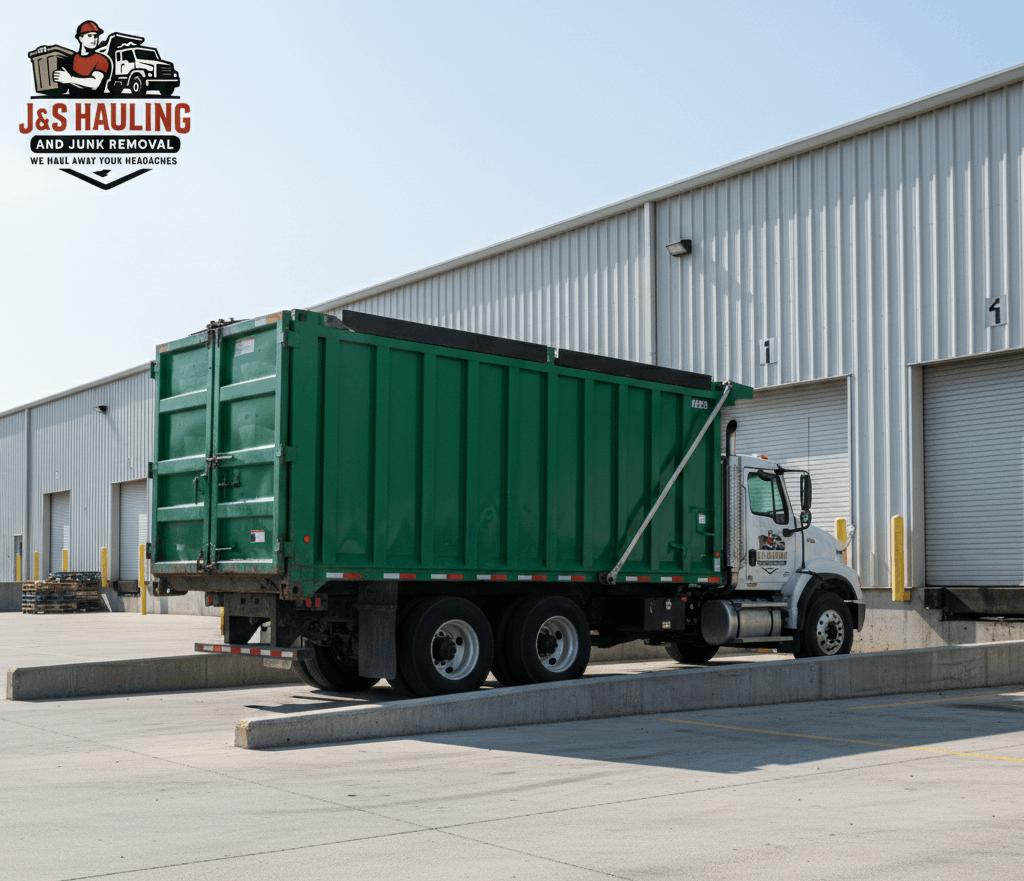
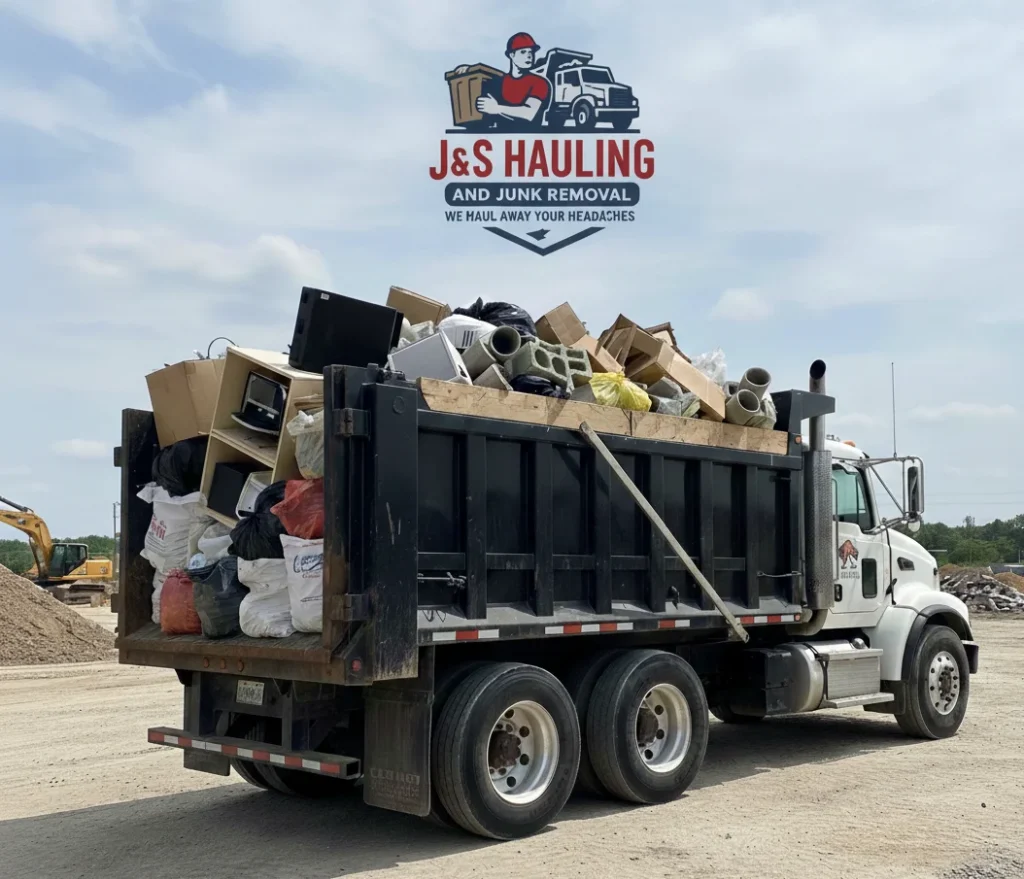
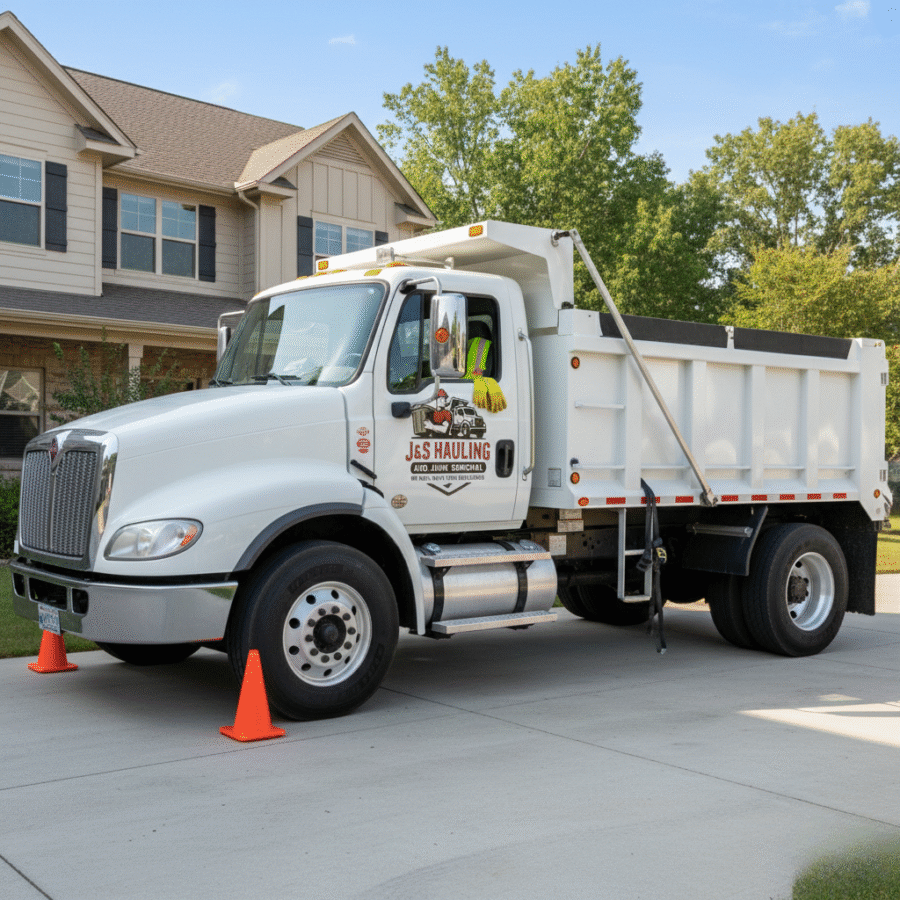
The primary tool for this business is the vehicle. The choice between a pickup truck, a dump trailer, or a dedicated box truck affects how many jobs the business can complete in a day. Larger vehicles reduce the number of trips to the dump but cost more in fuel and maintenance.
Vehicle and Equipment Comparison
| Equipment Option | Estimated Capacity | Primary Advantage | Primary Disadvantage |
|---|---|---|---|
| Pickup Truck | 2 to 3 cubic yards | Low initial cost | Frequent trips to disposal sites |
| Dump Trailer | 10 to 15 cubic yards | Easy to unload | Harder to maneuver in tight spots |
| Box Truck | 12 to 20 cubic yards | Large volume and professional look | High maintenance and fuel usage |
Bonus Tip When starting with a limited budget, a used dump trailer is often the most versatile choice. It allows the owner to use their existing truck and can be left at a job site for a client to fill, which saves labor time.
Pricing Strategies for Profitability
Setting rates is one of the most challenging aspects of starting out. Most successful businesses use a volume-based pricing model. This means charging customers based on how much space their items take up in the truck, such as a minimum load, a half load, or a full load.
The price must cover several specific costs. These include fuel, labor, vehicle wear, and the fees charged by the landfill. Landfills usually charge by the ton, so knowing the weight of different materials is helpful. For example, a truck full of old sofas weighs much less than a truck full of construction debris like concrete or roofing shingles.
Disposal and Environmental Responsibility
A junk removal business is only as good as its disposal network. Dumping everything at a landfill is expensive and environmentally unfriendly. Profitable operators build relationships with local charities, scrap metal yards, and recycling centers.
Sorting through a load to find items that can be donated or sold for scrap reduces the total weight taken to the landfill. This practice lowers disposal fees and increases the profit margin on every job. It also allows the business to market itself as an eco-friendly service, which many modern consumers prefer.
Bonus Tip Keep a list of local non-profits that pick up furniture or clothing. If an item is in good condition, donating it can save the business the entire cost of disposal while helping the community.
Marketing and Customer Acquisition
Visibility is the main driver of new leads. A simple website and a presence on local search maps are essential. Many customers find haulers through online searches for immediate needs, such as “couch removal near me” or “basement cleanout.”
In addition to digital strategies, physical marketing still works well in this industry. Magnetic signs on the side of the truck act as mobile billboards. Yard signs placed at job sites (with the owner’s permission) also alert neighbors to the service. Consistency in these efforts ensures a steady stream of calls.
Things to Consider Before Making a Decision
Before buying equipment or printing business cards, individuals should evaluate several factors that impact long-term success.
- Physical Demands: This work is labor intensive and requires lifting heavy items in various weather conditions.
- Disposal Access: Ensure there are accessible landfills or transfer stations within a reasonable driving distance of the target service area.
- Vehicle Storage: A large truck or trailer requires a secure place to park that complies with local zoning laws or HOA rules.
- Labor Availability: As the business grows, finding reliable help for heavy lifting becomes a priority.
Common Questions About Starting Out
Starting a new venture leads to many practical questions regarding daily operations and growth.
Do I need a commercial driver license?
In most cases, a standard driver’s license is sufficient if the Gross Vehicle Weight Rating (GVWR) of the truck and trailer stays below 26,001 pounds. However, owners should always verify specific state regulations.
How do I handle hazardous materials?
Most junk removal businesses do not pick up hazardous waste like paint, chemicals, or batteries. These items require special handling and permits. It is standard practice to refer customers to municipal hazardous waste programs for these items.
Professional Growth and Scaling
As the business stabilizes, owners often look toward scaling. This usually involves adding a second truck and a dedicated crew. Success at this stage requires moving away from the manual labor and focusing on managing the schedule and marketing. Using software to track jobs and send digital invoices can streamline the office work.
Maintaining a high level of customer service is what leads to repeat business. Referrals from real estate agents, property managers, and professional organizers can provide a consistent baseline of work that reduces the need for expensive advertising.
Frequently Asked Questions
What insurance is most important for a hauling business?
General liability is the most important because it covers damage to a client’s property. Without it, one broken window or a scratched hardwood floor could cost more than the profit from several jobs.
How do I estimate a job over the phone?
Providing a firm price over the phone is difficult. Most businesses provide a “ballpark” range and then give a final, firm price once they see the items in person. This prevents undercharging for heavy or difficult-to-move items.
Where can I find the best disposal rates?
Transfer stations often have different rates than municipal landfills. It is worth calling every facility within a 30-mile radius to compare their “per ton” rates and their minimum fees.
Is it better to buy a new or used truck?
A used truck lowers the initial investment and helps the business reach profitability faster. However, it requires a budget for potential repairs. A new truck offers reliability and a professional image but comes with a monthly payment that must be covered even during slow weeks.
Evaluation of Your Goals
Building a junk removal business is a practical way to enter the service industry with relatively low overhead compared to other sectors. Success requires a mix of physical stamina, logistical planning, and basic marketing. Prospective owners should look at their local competition and determine if they can offer a more reliable or specialized service. Evaluating the costs of equipment and disposal against the local market rates will help determine if this business model fits personal financial goals.
Contact Information
Professional hauling services help keep communities clean and organized. For those in the local area needing assistance with debris or large items, J&S Hauling & Junk Removal provides reliable solutions. You can reach the office at (618) 310-6823 or send inquiries via email to jshauling@proton.me for more information regarding service options and availability.
Sources
- Grand View Research – Detailed report on the global waste management market size and growth trends.
- IBISWorld – Market research specifically covering the junk removal industry in the United States.
- U.S. Small Business Administration – Official guidance on obtaining the necessary licenses and permits for a new business.