Avoiding common mistakes during a junk removal project requires accurate volume estimation and a clear understanding of what a service provider can legally haul. The most frequent errors involve miscalculating the amount of debris, failing to identify hazardous materials, and neglecting to verify the insurance status of the crew. By preparing an itemized list and clearing a physical path for the workers, property owners can prevent unexpected fees and logistical delays.
The following guide provides a detailed look at the logistics of waste disposal and the practical steps needed for a successful cleanup. These insights come from professional experience in the hauling industry and address the technical aspects of moving large volumes of material efficiently.
Accurate Volume Estimation for Better Pricing
A frequent error involves underestimating the physical space junk occupies. Most companies charge based on the volume of the truck used, typically measured in cubic yards. Failing to account for the way items stack or the presence of bulky, non-collapsible furniture leads to price discrepancies upon arrival.
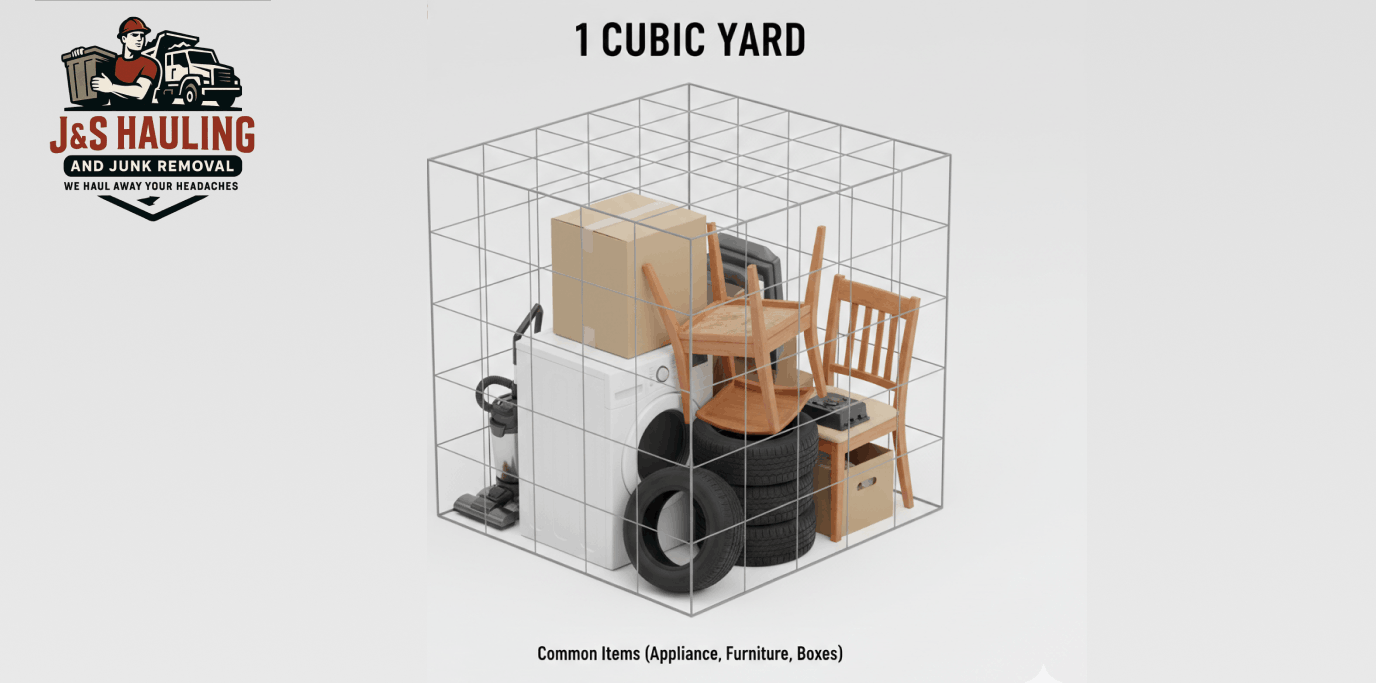
To get an accurate quote, measure large items and determine if they can be disassembled. A standard refrigerator occupies about one cubic yard, while a large sofa might take up two or more. If the debris is loose, such as construction waste or yard clippings, pile it in a uniform shape to help the estimator visualize the total volume. Providing photos of the items from multiple angles often helps companies give a more precise range before they arrive on-site.
Bonus Tip: The Two-Machine Rule
A helpful way to estimate volume is to remember that one cubic yard is roughly the size of two standard washing machines placed side by side. Use this mental image to gauge how many cubic yards your pile covers.
Identifying Hazardous and Restricted Materials
Attempting to include prohibited items in a general junk load is a mistake that can lead to service refusal or legal fines. Local and federal regulations strictly govern how certain materials are transported and discarded. According to the Environmental Protection Agency, household hazardous waste includes products that can catch fire, react, or explode under certain conditions.
Commonly rejected items include:
- Wet paint and thinners
- Motor oil and gasoline
- Pesticides and herbicides
- Large tires (unless specified)
- Lead-acid batteries
- Propane tanks
If these items are mixed with general household junk, the entire load may be contaminated, preventing it from being accepted at standard transfer stations. Always separate these materials and inform the service provider beforehand. They may offer a specialized pickup or direct you to a local hazardous waste collection event.
Verification of Insurance and Liability
Hiring a team without verifying their insurance coverage puts the property owner at risk. Junk removal involves moving heavy objects through narrow hallways and near expensive finishes. If a worker is injured on the property or if a wall is damaged, a lack of insurance means the homeowner or business owner could be held financially responsible.
Always ask for proof of general liability insurance and workers’ compensation. General liability covers damage to the property, while workers’ compensation protects the property owner from lawsuits if a crew member gets hurt. Reputable companies carry these policies to protect both their staff and their clients. Checking these documents before work begins ensures that the project remains a professional transaction rather than a legal liability.
Preparing the Site for Efficient Loading
Many people wait until the crew arrives to start deciding what stays and what goes. This lack of preparation extends the time needed for the job and can sometimes increase labor costs if the company charges by the hour. A successful removal starts with clear organization.
Items should be staged in a central location if possible, such as a garage or a driveway. If items must be picked up from inside the house, ensure that the path is clear of rugs, small furniture, and trip hazards. This reduces the risk of accidents and allows the crew to work faster.
Bonus Tip: Marking Your Items
Use colored painter’s tape to mark everything that needs to go. This simple step prevents the accidental removal of items you intended to keep and allows the crew to work independently without asking for constant clarification.
Understanding Disposal and Recycling Practices
While physical site preparation streamlines the loading process, understanding the final destination of your items is equally important. A common mistake is assuming that all junk goes directly to a landfill. This overlook ignores the significant environmental impact of a cleanup project. High-quality removal services sort through the loads to recover recyclable materials and donate items that are still in good condition.
The waste management industry is shifting toward more sustainable practices as disposal costs rise. Data from Statista shows that the waste management industry continues to expand as disposal regulations become stricter and recycling technology improves. Asking a provider about their diversion rate—the percentage of waste they keep out of landfills—is a good way to gauge their professionalism and ethics.
| Item Category | Common Disposal Method | Recycling Potential |
|---|---|---|
| Untreated Wood | Mulching or Landfill | High |
| Metals (Steel, Aluminum) | Scrap Metal Yard | Very High |
| Upholstered Furniture | Landfill or Donation | Low |
| Electronics (E-Waste) | Specialized Facilities | High |
| Concrete and Brick | Crushing for Road Base | High |
Things to Consider Before Making a Decision
Before booking a service, evaluate these specific factors to ensure the provider fits the needs of the project:
- Fee Transparency: Beyond initial volume estimates, confirm that your quote is all-inclusive of labor, fuel, and disposal fees. Some companies apply separate surcharges for extremely heavy materials like gravel or concrete.
- Equipment Capacity: Ensure the company has a truck large enough to handle the volume in one trip. Multiple trips often result in higher fuel and labor costs.
- Schedule Flexibility: Check if the company offers specific windows for arrival. Reliable services provide a 2-hour window and call when they are on the way.
- Local Knowledge: Providers familiar with local transfer station rules and recycling centers can often dispose of items more efficiently than those from outside the area.
Common Questions About Junk Removal Logistics
How does weather affect junk removal?
Rain or snow can significantly increase the weight of porous items like mattresses and couches. Since some disposal centers charge by weight, wet junk might cost more to dump. Professional crews usually work through light weather but may reschedule for safety during severe storms.
Can items be left at the curb for pickup?
Many companies offer curbside pickup at a discounted rate because it eliminates the need for the crew to enter the home. This reduces labor time and physical risk. If choosing this option, ensure the items are covered if rain is expected to keep the weight down.
What is the difference between a dumpster rental and a hauling service?
A dumpster rental requires the user to do all the heavy lifting and loading. It is often better for long-term projects like a home remodel. A hauling service includes the labor and is generally faster, as the junk is gone the same day.
Frequently Asked Questions
Do I need to be present during the removal?
It is usually best to be on-site for the initial walkthrough to confirm the price and the items being taken. However, many services allow for remote appointments where the client provides access to a garage or yard and pays via a digital invoice after seeing photos of the completed work.
How are extremely heavy items handled?
Items like hot tubs, pianos, or safes require specialized equipment and extra manpower. J&S Hauling & Junk Removal evaluates these items individually to ensure the proper tools, such as dollies and ramps, are used to prevent property damage.
Are there weight limits for the trucks?
Yes, most trucks have a weight capacity for safety and legal road limits. While a truck may have the physical space for a full load of concrete, the weight of that material might exceed the axle limit. Heavy materials are usually loaded only halfway to stay within legal limits.
Will the crew clean up the area after the junk is gone?
A professional service should provide a basic sweep of the area where the junk was located. This removes small debris, nails, or dust left behind during the loading process.
Essential Steps for a Smooth Experience
To ensure a successful experience, focus on clear communication and physical preparation. Start by identifying exactly what needs to go and separating any hazardous materials that require special handling. Verify the credentials of the service provider to protect against liability. By understanding how volume affects pricing and how disposal sites operate, property owners can manage their waste responsibly. Always evaluate the specific needs of the project, such as the total weight of the debris and the accessibility of the site, before finalizing an agreement. Taking these steps ensures the process is efficient and free of unexpected complications.
Expert Assistance for Your Cleanup
When dealing with large volumes of unwanted items, professional support makes the process much easier. J&S Hauling & Junk Removal provides reliable hauling solutions for residential and commercial needs. For questions regarding item eligibility or to schedule a service, contact the team at (618) 310-6823 or email jshauling@proton.me for more information. Accurate planning and professional execution ensure that every project is completed safely and effectively.
Sources
- Environmental Protection Agency – Information regarding the identification and disposal of household hazardous waste.
- Statista – Market data on the revenue and growth of the waste management industry in the United States.
- EPA Facts and Figures – National overview of waste generation and recycling rates.